

Dry skin is one of the most common dermatological issues and can occur in anyone. This condition not only makes the skin feel tight, rough, and flaky, but it can also cause itching, discomfort, and increase the risk of premature aging. So, what is dry skin? This article will reveal all the causes and proper ways to care for dry skin to effectively prevent irritation.
What is dry skin?
Dry skin occurs when the skin surface lacks the necessary moisture and natural oils to stay soft and smooth. When the skin cannot retain enough water, it becomes rough, flaky, or develops tiny white scales. In mild cases, dry skin usually only causes tightness or slight itchiness. However, if the condition persists or worsens, the skin can crack, peel in large patches, and even bleed, causing pain.
In medical terms, dry skin is called xeroderma. If the dryness becomes severe, it is referred to as xerosis. In addition to roughness, some people may also experience itching, which makes the skin more prone to damage when scratched. Simply put, dry skin occurs when the skin lacks sufficient “moisture” to remain healthy, leading to a range of uncomfortable symptoms such as roughness, flaking, itching, and cracking.
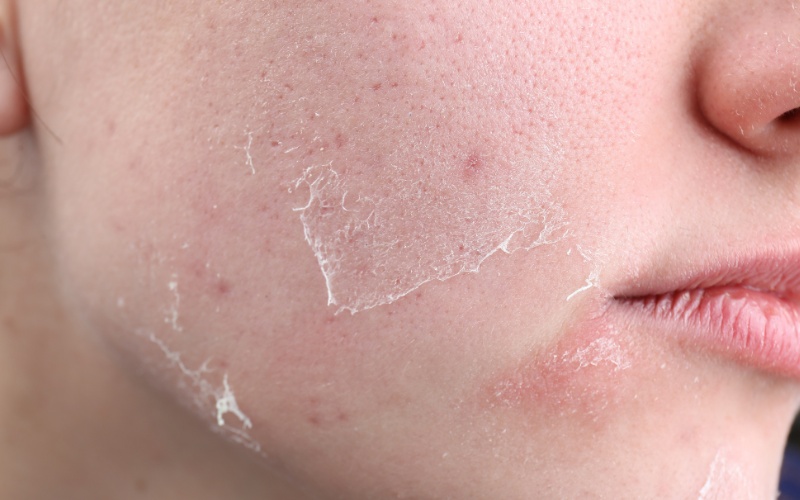
Dry skin is a dermatological condition that makes the skin rough, hardened, and flaky, making it more susceptible to irritation.
What are the types of dry skin?
To better understand, dry skin is not simply a lack of moisture; it exists in different forms, each with its own characteristics and causes. Here are some of the most common types of dry skin:
- Contact dermatitis: This occurs when the skin becomes rough, red, itchy, and may develop a rash after coming into contact with irritants or allergens such as metals in jewelry, cosmetics, perfumes, detergents, or topical medications. The skin is not only dry but also inflamed, causing discomfort and making it more vulnerable to damage when scratched.
- Eczema: Eczema is a common skin condition that typically causes red, bumpy, dry, and itchy patches. In severe cases, the skin may crack, bleed, and become prone to infection. This condition often recurs and can worsen when triggered by allergens, chemicals, cold dry weather, or stress.
- Seborrheic dermatitis: This type of dry skin usually appears on the scalp as dandruff in adults or cradle cap in infants. It can also cause flaky patches on the face (around the nose, eyebrows), chest, back, or skin folds such as elbows, knees, groin, and sometimes the navel. The skin is often both dry and flaky, sometimes greasy, and the condition tends to recur, especially in cold weather or when the body is fatigued.
- Athlete’s foot: Athlete’s foot can resemble regular dry skin but is actually caused by a fungal infection. People affected often have dry, flaky, itchy, and sore skin on the soles of their feet or between the toes. Small blisters or cracks may appear, making walking painful. This condition is contagious, especially when walking barefoot in swimming pools, public showers, or locker rooms.
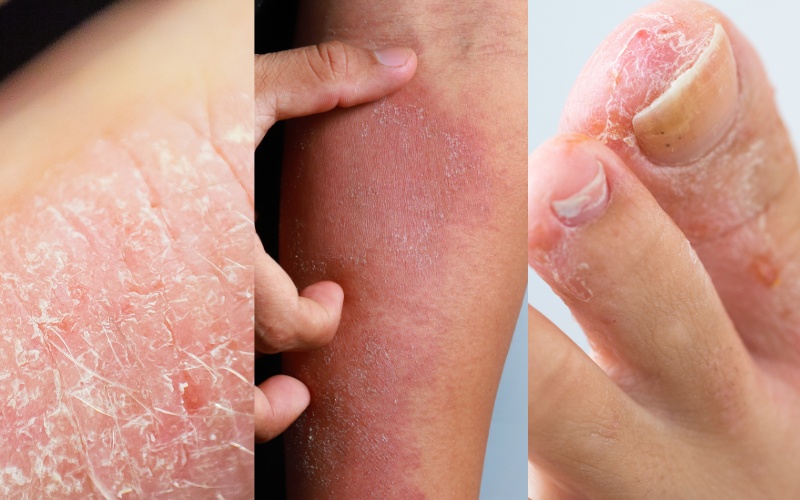
Contact dermatitis, eczema, and athlete’s foot are among the most common dry skin conditions.
Causes of Dry Skin
Dry skin does not only occur due to temporary lack of moisture; it can also stem from various factors, ranging from the environment and daily habits to underlying medical conditions or the natural aging process. Understanding these causes can help you prevent dryness and take proper care of your skin, keeping it soft and healthy.
- Temperature: Living frequently in environments with central heating, wood-burning stoves, fireplaces, or space heaters can reduce air humidity. When humidity drops, the skin cannot retain enough water to stay soft, leading to dryness, tightness, and flaking.
- Environment: Cold, dry, windy climates or areas with low humidity naturally cause the skin to lose moisture. Prolonged exposure to sunlight and wind can further contribute to dryness and cracking.
- Frequent hot showers or baths: Taking long, hot showers or bathing multiple times a day washes away the skin’s natural oils, stripping its protective barrier and making it dry quickly. Scrubbing too vigorously with towels, brushes, or sponges can also damage the skin surface and worsen dryness.
- Harsh soaps and detergents: Some soaps, body washes, shampoos, and household cleaning products contain strong cleansing agents that remove oils and moisture from the skin. Prolonged use can disrupt the skin’s balance, leaving it rough, dry, and more prone to irritation.
- Skin conditions: People with atopic dermatitis (eczema), psoriasis, or other dermatological conditions often have sensitive, moisture-deficient skin. These conditions can cause inflammation, flaking, and thickened skin, making it drier than normal.
- Medical treatments and medications: Certain treatments, such as chemotherapy, dialysis, or the use of medications like diuretics, acne treatments, or blood pressure drugs, can alter skin moisture and structure, leading to dry, thick, and rough skin.
- Aging: As people age, the skin becomes thinner, and sebaceous gland activity declines. This reduces the production of natural oils, making it harder for the skin to retain water, resulting in dryness and wrinkles. This is a common cause in middle-aged and older adults.
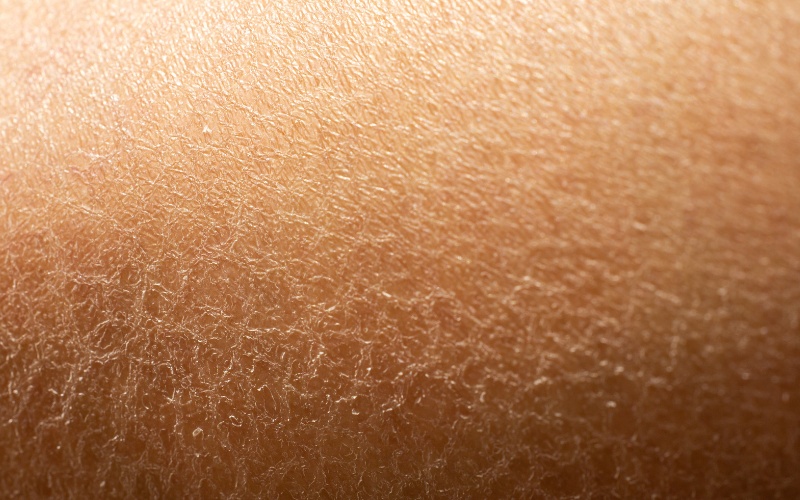
Temperature, environment, and daily habits are among the primary factors causing dry and flaky skin.
How Does Dry Skin Affect My Body?
Dry skin is not only a cosmetic concern but can also directly affect overall health and quality of life. When the skin lacks moisture, its natural protective barrier weakens, making it more vulnerable and sensitive to environmental factors such as dirt, bacteria, sunlight, and chemicals. Common consequences include flaking, cracking, itching, and redness, causing discomfort and reducing confidence in social interactions.
In severe cases, prolonged dry skin can lead to dermatitis, deep cracks that bleed, and create opportunities for bacterial infections. Additionally, dry skin is one of the factors that accelerate aging, leading to early wrinkles and decreased elasticity. In people with underlying conditions such as eczema, psoriasis, or diabetes, dry skin can further exacerbate the severity of these conditions.
What Type of Lotion or Moisturizer is Best for Dry Skin?
When choosing a moisturizer, you should not only focus on the brand but also pay attention to the ingredients and the product’s actual benefits. Here are some guidelines to help you select the right product for dry skin:
- Fragrance-free moisturizers: Products with added fragrance often contain synthetic ingredients that can irritate the skin and cause dehydration. For dry skin, it is safer to choose “fragrance-free” options.
- Avoid ingredients that cause dryness: Chemicals like isopropyl alcohol, benzyl alcohol, or sulfates have strong cleansing effects and can strip the skin of its natural oils. Long-term use may make the skin even drier and more sensitive.
- Choose products with moisturizing agents: These ingredients help retain water in the skin and form a protective barrier against moisture loss. Key ingredients include petroleum jelly, hyaluronic acid, lanolin, mineral oils, and humectants.
- Moisturizers for itch relief: If dry skin causes itching, look for products containing hydrocortisone steroids. This active ingredient helps soothe and reduce inflammation, though it should generally be used under medical guidance.
- Moisturizers with sun protection (SPF): Sun exposure accelerates skin dryness and aging. Choosing a moisturizer with SPF helps hydrate the skin while protecting it from UV damage.
- Products suited for specific areas: Facial skin and body skin differ in thickness and needs. For example, facial moisturizers should be light and easily absorbed, whereas hands, heels, or elbows may require thicker, more intensive moisturizers. You may need more than one type of moisturizer to address different areas effectively.
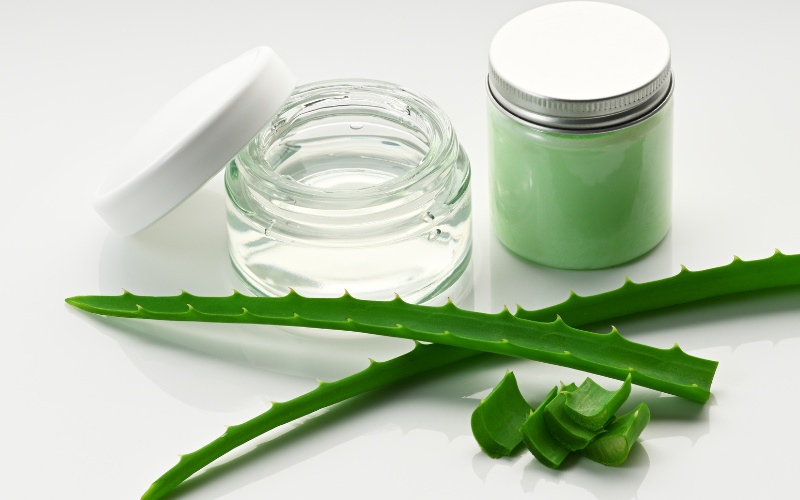
Prioritizing fragrance-free, alcohol-free, and non-drying ingredients is a key principle for proper at-home dry skin care.
How to Care for Dry Skin at Home
Maintaining soft and healthy skin requires proper at-home care, especially for dry skin. Dry skin can cause tightness, flaking, or itchiness and, if neglected, may accelerate aging. By following simple daily habits such as moisturizing, staying hydrated, choosing gentle products, and protecting the skin from harmful environmental factors, you can significantly improve dry skin, keeping it smooth, supple, and radiant.
- Drink enough water daily: Water is the most important natural source of hydration for the body and skin. Proper hydration keeps the skin plump, elastic, and significantly reduces dryness and flaking.
- Use a suitable moisturizer: Apply moisturizer immediately after bathing or washing your face to lock in hydration. Choose products with deep, safe, and effective moisturizing ingredients suitable for each area of skin.
- Use warm, not hot water: Hot water strips natural oils from the skin, accelerating dryness. Warm water cleanses while helping maintain essential moisture.
- Limit shower time: Long showers can dehydrate the skin and worsen dryness. The ideal duration is about 5–10 minutes to cleanse safely without damaging the skin.
- Choose gentle cleansers: Soaps or body washes with fragrances or sulfates often cause tightness and moisture loss. Opt for mild, fragrance-free products for clean and protected skin.
- Use a humidifier indoors: Dry air, especially from air conditioning or in cold seasons, makes skin prone to cracking. A humidifier adds moisture to the air, helping the skin stay soft.
- Exfoliate gently 1–2 times per week: Removing dead skin cells allows products to penetrate better and be more effective. Exfoliate lightly to avoid stripping the natural protective oils.
- Protect your skin outdoors: Sunlight and pollution accelerate dryness and aging. Always use sunscreen, wear protective clothing, and cover exposed skin.
- Use natural moisturizing masks: Ingredients like honey, coconut oil, yogurt, or avocado provide excellent hydration. Regular mask application helps soften the skin and reduce dryness.
- Get enough sleep and reduce stress: Quality sleep helps the body regenerate and repair the skin after a long day. A relaxed mind promotes healthier, less dry skin and slower aging.
The article has revealed what dry skin is, its causes, and detailed care tips for maintaining healthy skin. Proper at-home skin care is essential for reducing sensitivity, irritation, and flaking effectively. Therefore, it is important to prioritize products specifically designed for dry skin to achieve optimal restoration and protection.